In recent years, the digital world has been shaken by a new term: NFT. From world-class musicians, streetwear brands, to toy and figure collectors, everyone has crossed paths with this phenomenon. NFT was once considered just a hype, but in reality, it continues to grow—even evolving into a more mature direction. The question is: what exactly is NFT, why is it so valuable, and how is this trend shaping the global creative industry?
What is NFT?
NFT stands for Non-Fungible Token. Simply put, an NFT is a unique digital asset stored on the blockchain. Unlike ordinary digital files that can be duplicated endlessly, NFTs have a special identity, making them one-of-a-kind with verifiable ownership.
For example, a digital image of a cute cat can be screenshotted by anyone. But if that image is minted as an NFT, only one rightful owner will be recorded on the blockchain—like a digital certificate that cannot be forged.
A Brief History and Development of NFTs
NFTs first gained recognition around 2014–2017, when projects like CryptoPunks introduced the concept of unique digital avatars on the Ethereum blockchain. The peak of popularity happened in 2021, when the digital artwork Everydays: The First 5000 Days by Beeple was sold for US$69 million at Christie’s auction house.
After that came the rise of the Bored Ape Yacht Club (BAYC), where NFTs weren’t just about images—they also granted access to exclusive communities, events, and collaborations with major fashion brands.
By 2025, NFTs have transformed significantly. From mere profile pictures (PFP), they are now used for concert tickets, digital + physical collectibles (phygital), and even community memberships.
How NFTs Work
NFTs run on blockchain technology—a decentralized digital ledger system. Within it, each NFT is stored via smart contracts, ensuring ownership, scarcity, and authenticity.
When someone purchases an NFT, the transaction is permanently recorded on the blockchain. This means, although the digital file can be seen by many, only the NFT owner holds the official proof of ownership.
Popular marketplaces such as OpenSea, Blur, Rarible, and Magic Eden have become global hubs for NFT trading, where collectors can buy, sell, or auction NFTs based on market demand.
NFT in Pop Culture
NFTs are no longer just about blockchain technology. They have entered the realm of pop culture:
- Music: Bands like Kings of Leon released albums as NFTs, granting special access to concerts.
- Fashion & Streetwear: Adidas, Nike, and BAPE launched NFT collections tied to physical products.
- Film & Entertainment: Some studios released NFTs as exclusive tickets or behind-the-scenes content.
This phenomenon brings NFTs closer to youth culture, where collecting, showcasing digital identity, and seeking exclusivity are part of lifestyle.
NFTs and the Toy & Collectibles Industry
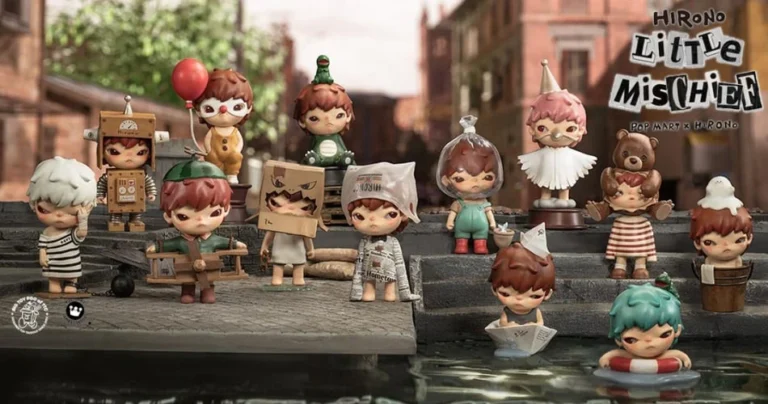
One of the most fascinating trends is NFTs entering the toy and figure scene. Brands like Funko Pop have released physical toys paired with NFTs. This concept is known as phygital collectible—a combination of digital ownership and real-world items.
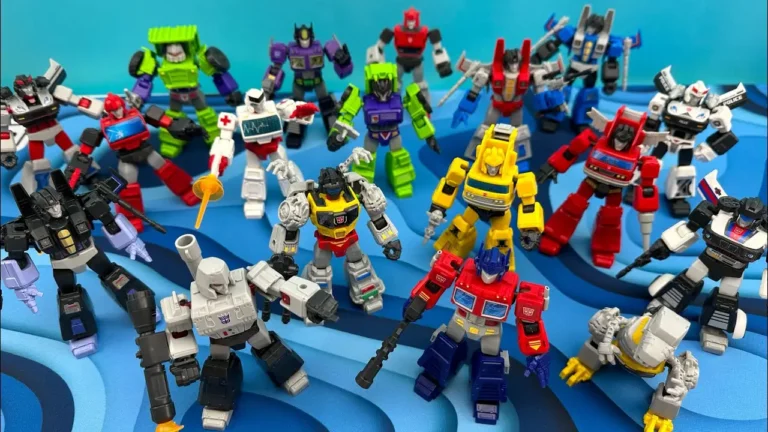
For collectors, this opens a new era: not only displaying figures on shelves, but also owning their “digital twin” on the blockchain. The trend is spreading to designer toys, blind boxes, and even collaborations with major franchises like Transformers and Marvel.
Pros & Cons of NFTs
NFTs naturally come with both pros and cons.
Pros:
- Opens global creative economy opportunities.
- Provides transparent digital ownership.
- Creates new business models for artists, musicians, and brands.
Cons:
- Highly volatile value, prices fluctuate quickly.
- Many scam cases and shady projects.
- Environmental concerns due to blockchain energy use (though many have shifted to eco-friendly systems).
By 2025, NFTs are no longer as hyped as in 2021. However, they have evolved into a “healthier” form—focused more on real utility rather than mere price speculation.
The Future of NFTs
Looking ahead, NFTs are expected to become increasingly integrated into daily life. Some emerging future trends include:
- Metaverse & Gaming: NFTs as in-game items, tradable among players.
- Membership & Loyalty Programs: NFTs as access passes to communities or special benefits.
- Phygital Collectibles: Toys, fashion, and art available in both physical and digital forms.
NFTs are moving from hype to real-world utility. For creative brands, this is an opportunity to build stronger relationships with their communities.
Conclusion
NFTs prove how technology can transform the way we view ownership, collecting, and identity. From digital art hype, NFTs are now becoming an essential part of music, fashion, toys, and the global creative community.
If in the past, collections only existed in the real world, today they also live on the blockchain. And for both creators and collectors, NFTs open doors to a new world where physical and digital can coexist side by side.
Discover creative collections and special edition toys at Tactiq Store, and start your collecting journey—both in the real world and the digital one.