Dungeons and Dragons is a legendary board game that combines role-playing, strategy, and storytelling into one epic adventure.
Since its release in 1974, Dungeons and Dragons has become a cultural phenomenon enjoyed by millions of players worldwide.
What is Dungeons and Dragons and Its Brief History
Dungeons and Dragons is a board game RPG (Role-Playing Game) that allows players to create characters, explore fantasy worlds, and embark on epic adventures.
First introduced in 1974 by Gary Gygax and Dave Arneson, Dungeons and Dragons has become a pioneer of the RPG genre and a favorite worldwide.
In Indonesia, this game has grown in popularity along with the rise of board game communities and easier access to digital versions, such as D&D Beyond and Virtual Tabletop platforms.
More than just a game, Dungeons and Dragons has become a creative educational tool that enhances storytelling skills, collaboration, and problem-solving.
Over time, the Dungeons and Dragons board game has appeared in various versions, from the Starter Set and Essentials Kit to deep campaign kits complete with maps and character miniatures.
Why is the Dungeons and Dragons Board Game So Popular?
Dungeons and Dragons differs from traditional board games because it combines strategy, roleplay, and interactive storytelling. Here are some reasons why it is so beloved:
- Creative freedom: Players can build unique characters, choosing races, classes, and backstories.
- Social interaction: Dungeons and Dragons encourages teamwork, discussion, and negotiation among players.
- Strategic development: Beyond dice rolls, D&D requires tactical planning, battle strategy, and wise decision-making.
- Endless experiences: Each Dungeons and Dragons campaign is different, ensuring players never get bored even after multiple sessions.
In addition, this game has positive impacts on players: improving critical thinking, creativity, and strong social skills.
The Role of the Dungeon Master in Dungeons and Dragons
One of the unique aspects of the Dungeons and Dragons board game is the role of the Dungeon Master (DM).
The Dungeon Master is the “narrator” and game organizer, responsible for the storyline, fantasy world, challenges, and non-player characters (NPCs).
Responsibilities of the Dungeon Master
- Create the World and Story: The DM designs the fantasy setting, including cities, dungeons, forests, and conflicts.
- Manage Challenges and Enemies: The DM sets up battles, traps, puzzles, and quests for the team.
- Portray NPCs and Voice Acting: The DM plays non-player characters and brings interactions to life.
- Keep the Game Flowing: The DM ensures the session remains engaging, fair, and runs according to the rules.
Tips for Being a Good Dungeon Master
- Know Your Players’ Characters: Understanding their abilities and backstories helps create balanced challenges.
- Use Digital Tools: Apps like Roll20, D&D Beyond, or Foundry VTT simplify maps, dice rolls, and character management.
- Be Flexible and Creative: Don’t be too rigid with the rules; allow players room for improvisation.
- Build Atmosphere: Background music, vivid descriptions, and dramatic voice acting enhance immersion.
A skilled Dungeon Master can turn a Dungeons and Dragons board game into an unforgettable epic adventure.
Basic Rules of the Dungeons and Dragons Board Game
For beginners, understanding the mechanics of the Dungeons and Dragons board game is the first step to enjoying the experience.
Game System
- Characters: Players choose a race (human, elf, dwarf, etc.) and class (fighter, wizard, rogue, cleric, etc.).
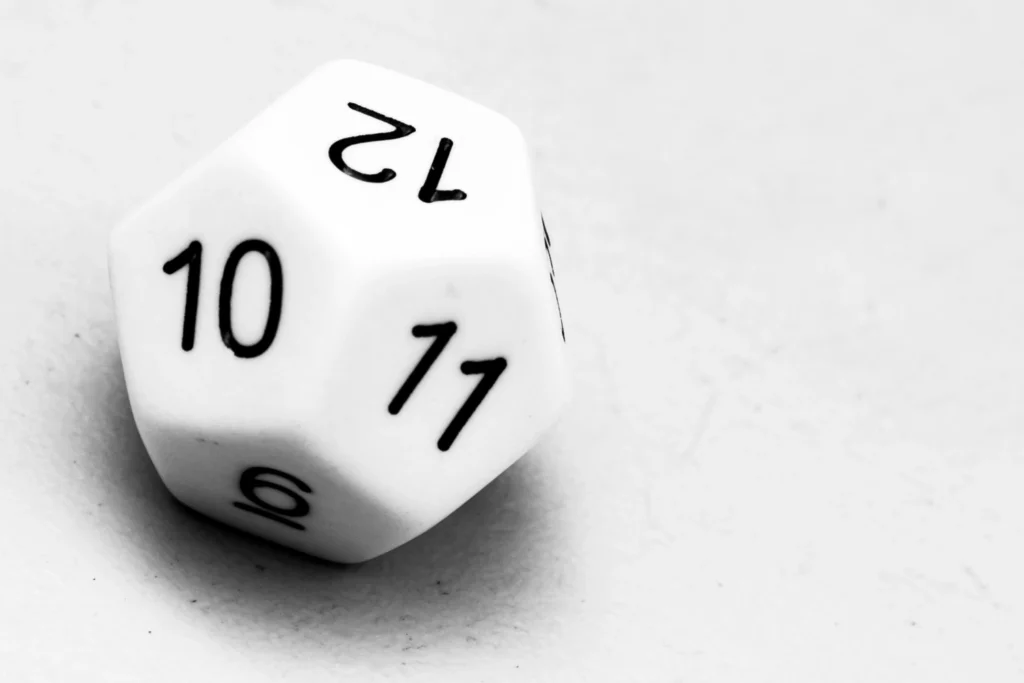
- Dice: The D20 is the primary die, used to determine attack success, skill checks, and saving throws.
- Board and Miniatures: Used to track character and enemy positions during combat.
Gameplay Steps
- The DM explains the initial setting and quest objectives.
- Players make decisions and take actions (e.g., attack, explore, or talk).
- Outcomes are determined by dice rolls and character abilities.
- The DM adjusts consequences and the story based on players’ actions.
D&D Game Variations
- Starter Set: Perfect for beginners, includes guidebooks, premade characters, and a short campaign.
- Essentials Kit: More in-depth, with a DM guide, extra characters, and scenarios.
- Campaign Kit: Longer campaigns with complex stories, large maps, and additional miniatures.
Characters and Races in Dungeons and Dragons
Character choices shape the gameplay in the Dungeons and Dragons board game. Races determine physical and magical abilities, while classes define skills and team roles. Examples:
- Elf Wizard: A master of magic but physically weak.
- Dwarf Fighter: Strong and resilient, ideal for the frontline.
- Halfling Rogue: Agile and skilled in stealth, great for traps and sneaking.
Dice System and Luck Mechanics
Dice are the core of Dungeons and Dragons. The D20 determines action success, while D12, D10, D8, D6, and D4 are used for damage and spells. This mechanic adds uncertainty and strategy to the board game.
Example: Attacking an enemy → Roll a D20 + modifier. If the result ≥ AC (Armor Class), the attack hits.
Tips and Strategies for Playing Dungeons and Dragons
For both beginners and veterans, these strategies and tips can enhance the board game experience:
- Know Your Character: Focus on your strengths and weaknesses.
- Team Communication: Discuss strategies, roles, and actions during battles.
- Explore the World: Don’t be afraid to try creative options; improvisation often makes the game more fun than rigid rules.
- Keep Notes: Journaling or logging helps track quests, NPCs, and team strategies.
- Use Props & Music: Miniatures, maps, and background soundtracks improve immersion.
Current Trends in Dungeons and Dragons
The Dungeons and Dragons board game continues to evolve, especially in the digital era:
- Streaming & Video Content: Popular D&D campaigns stream on Twitch or YouTube, attracting new players.
- Franchise Crossovers: Special editions feature worlds like Stranger Things, Critical Role, or Rick and Morty.
- Local Communities: Board game events, meetups, and tournaments are growing in major Indonesian cities.
- Virtual Tabletops: Online platforms make it easy for players from different locations to play together.
These trends confirm that Dungeons and Dragons is not just a classic board game, but a cultural phenomenon that remains relevant.
Conclusion
Is a board game that blends strategy, storytelling, and social interaction. The Dungeon Master plays a vital role in creating excitement, while players enjoy creative freedom in every action and decision.
The Dungeons and Dragons board game is not just entertainment but also a medium for learning, imagination, and building stronger relationships among players.
By understanding the rules, characters, and dice mechanics, every session can become an unforgettable epic adventure.
Start playing Dungeons and Dragons, feel the thrill of being a fantasy hero, and create your own unique story!
Plus, find more inspiration and cool products only at Tactiq Store.